Thermostat screen goes blank or reboots
Power-stealing thermostats on systems without a common wire can drain their battery and shut down or cycle unexpectedly.
A new smart thermostat that keeps going blank, a heat pump running its backup strips all winter, or a box of wires nobody can identify all mean the install needs someone who knows the equipment behind the wall.
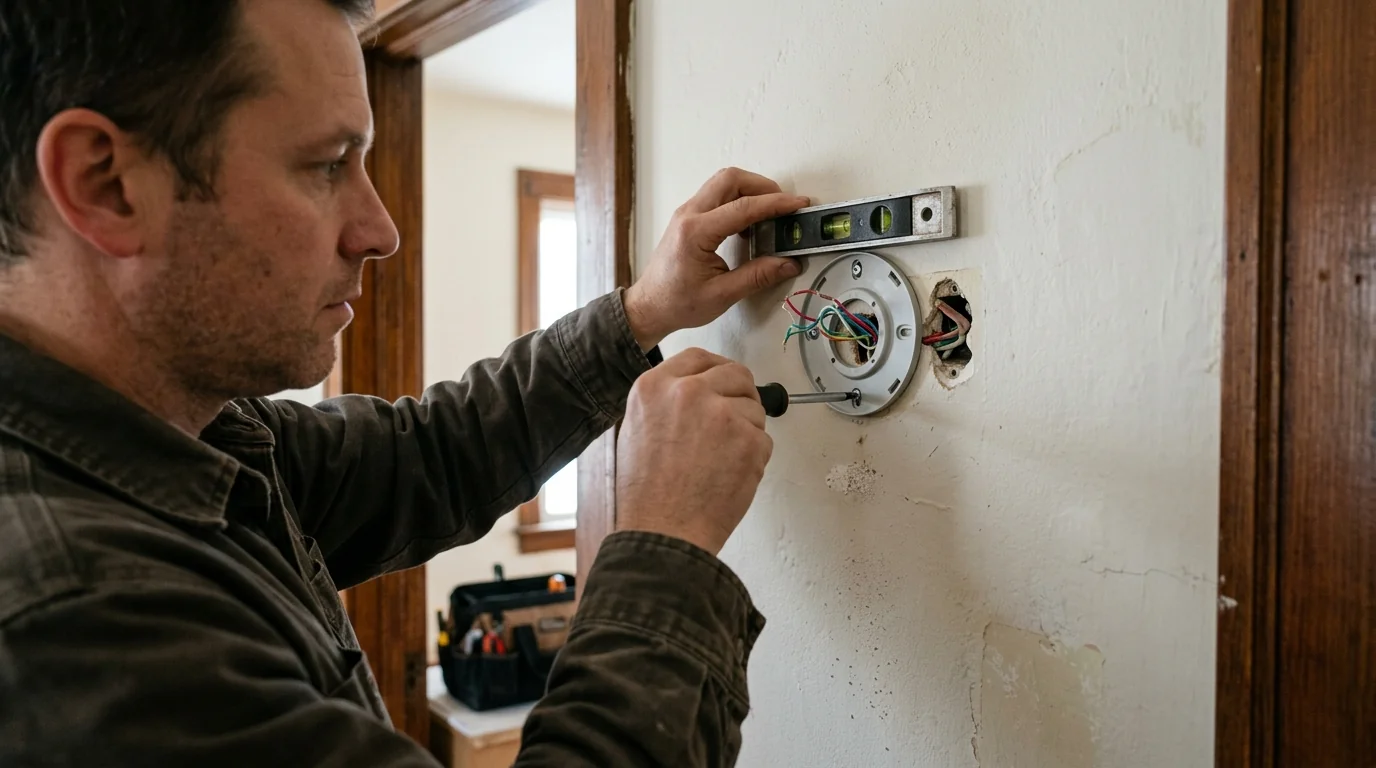
Smart thermostat installation replaces your existing wall control with a Wi-Fi model wired to match your furnace, heat pump, boiler or air handler. A technician confirms each wire at the equipment, adds a common wire if the thermostat needs continuous power, sets staging and accessories and connects it to your home Wi-Fi. Most installs take one to two hours.
Smart thermostats look simple from the front, but each one has to match the equipment it controls. A single-stage gas furnace, a two-stage furnace with central air, a heat pump with electric backup, a dual-fuel system and a hot-water boiler all wire differently. Many smart models also need a common wire for steady power, which older Michigan homes often do not have at the wall.
Our technicians identify every terminal at the furnace or air handler, add a common wire or adapter when needed and configure the thermostat for staging, heat pump changeover, balance points and humidifier or ventilation control. You get the scheduling and remote access you bought it for, with the equipment running the way it was designed to run. We also show you the settings that matter most for winter in this part of Michigan.
Power-stealing thermostats on systems without a common wire can drain their battery and shut down or cycle unexpectedly.
A thermostat set up incorrectly may call electric strips on mild days, which drives up winter electric bills.
Wrong cycle rate or staging settings can make the furnace start and stop far more than it should.
Many humidifiers wire through the thermostat or furnace board. A new thermostat can leave them disconnected if this is missed.
Older dial thermostats with mercury bulbs work, but they cannot schedule and must be disposed of properly.
Over the years, wire colors get swapped. Matching terminals by color alone often leads to equipment problems.
Before mounting anything, our technician checks the control board inside the furnace or air handler, the outdoor unit and any boiler controls. That tells us how many heating and cooling stages the system has, whether it uses a reversing valve for a heat pump, and whether accessories such as a humidifier, dehumidifier or ventilator are tied in. The thermostat is then chosen or configured to fit.
Some brands sell communicating equipment that only works fully with their own wall control. In those homes a third-party smart thermostat may only run the system in a reduced mode. We tell you up front if that applies, and whether the manufacturer's own connected control is the better fit for your furnace or heat pump. That way you are not paying for features the system cannot actually use.
Many smart thermostats need a common wire, labeled C, to supply steady 24-volt power. Plenty of homes, especially those built before the 1990s, have only two or four wires at the wall. Some thermostats try to steal power through the heating wire, which can cause clicking, short cycling or a dead screen on some furnaces. The problem may not show up until the first cold week of the heating season.
Where a spare conductor exists in the cable, we connect it as the common at both ends. If there is no spare, we can pull a new thermostat cable through the wall or install a manufacturer-approved power adapter at the furnace. In older Kalamazoo homes with plaster walls, we look for the least disruptive route, which is usually up through the basement ceiling.
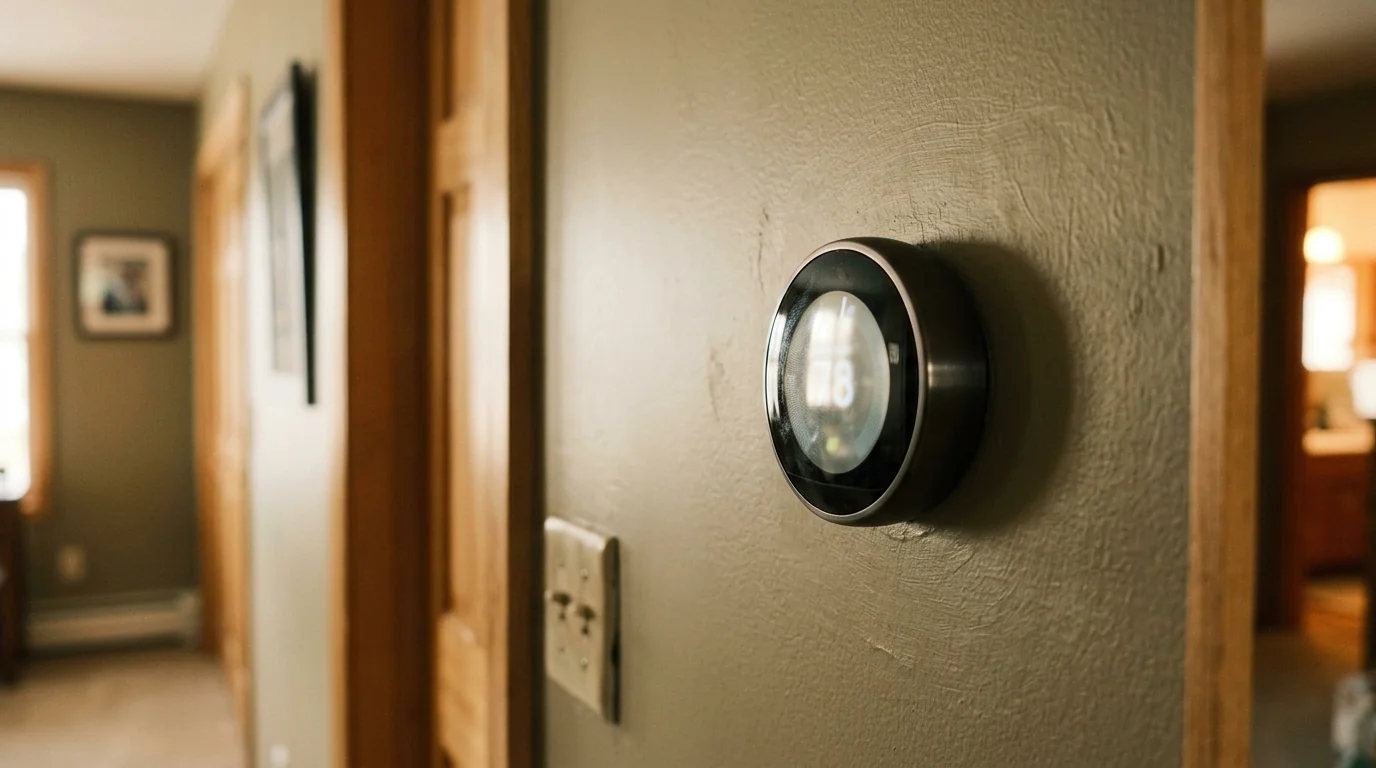
Heat pumps need careful setup. The thermostat must know whether the reversing valve is energized in cooling or heating, and how to stage the auxiliary electric heat. On a cold-climate heat pump, setting a sensible lockout keeps the strips from running until they are actually needed, which can matter a lot on a February electric bill. The heat pump should carry the house on its own for as long as it reasonably can.
Dual-fuel systems pair a heat pump with a gas or propane furnace. The thermostat or the equipment switches from heat pump to furnace at a set outdoor temperature, called the balance point. We set that point based on your equipment and fuel costs, and add an outdoor sensor where it helps. Our dual-fuel heating page covers how those systems are set up overall.
Hot-water and steam boilers usually run on a simple two-wire call for heat, but many smart thermostats still need a common wire, which boilers do not always provide. We wire it through the boiler's control or add a transformer. In homes with multiple zones, each zone thermostat connects to a zone control panel or zone valve, and they all need to work together.
Smart thermostats can also manage a whole-home humidifier with an outdoor-reset target, run a dehumidifier in summer or cycle a fresh air ventilator. Setting these up correctly is part of the job. If the house has more than one forced-air zone, a zoning panel coordinates the dampers and thermostats so each area gets heat or cooling on its own call.
| Work | Typical range |
|---|---|
| Smart thermostat installation, customer-supplied unit | $129 to $246 |
| Smart thermostat supplied and installed | $286 to $547 |
| New thermostat cable pulled to the wall | $147 to $338 |
| Power adapter or boiler transformer added | $89 to $174 |
| Heat pump or dual-fuel configuration with outdoor sensor | $118 to $263 |
Thermostat installs in local homes generally stay within these figures. The final price is set once the technician sees your wiring, equipment and wall location. Compare more jobs in the furnace and AC price guide.
Keep reading
Motorized duct dampers, a zone panel and separate thermostats so one furnace or heat pump can heat and cool each floor on its own.
Learn moreCold-climate heat pumps sized to your home with a load calculation, set up to heat through January and cool in July.
Learn moreBypass, fan-powered and steam humidifiers mounted on your furnace, with outdoor-reset controls that keep winter windows dry.
Learn moreFAQ
In most cases, yes. Boilers usually take a simple call for heat on two wires. The main question is power, since many smart thermostats need a common wire that boiler controls may not offer. We can add a small transformer or use a model that runs on batteries.
On an interior wall in a room you use often, about chest height, away from supply registers, exterior doors, windows with direct sun and kitchens. A thermostat on an outside wall or near a drafty door in January reads colder than the room and keeps the furnace running longer than needed.
A single thermostat only controls one system or one zone. Some models use remote room sensors to average temperatures across rooms, which helps. For true separate control of two floors on one furnace, zoning with dampers and a second thermostat is the reliable way.
Older dial thermostats with a small glass mercury bulb should not go in the trash. We take them with us for proper recycling. If you are removing one on your own, keep it intact and take it to a household hazardous waste drop-off rather than throwing it away.
They can when the schedule matches how you live, such as lowering the temperature overnight or while the house is empty. Savings depend on habits, the type of equipment and how the thermostat was set before. On heat pumps, correct auxiliary heat settings often matter more than the schedule itself.
Call any hour. Our office answers, sets the visit and tells you what to expect before a technician arrives.