Shocks from every door handle
Frequent static discharge is one of the most common signs that winter humidity has dropped well below 30 percent.
Michigan furnace heat can pull indoor humidity down into the teens by January, leaving you with static shocks, cracked hardwood, sore sinuses and a house that feels colder than the thermostat says.
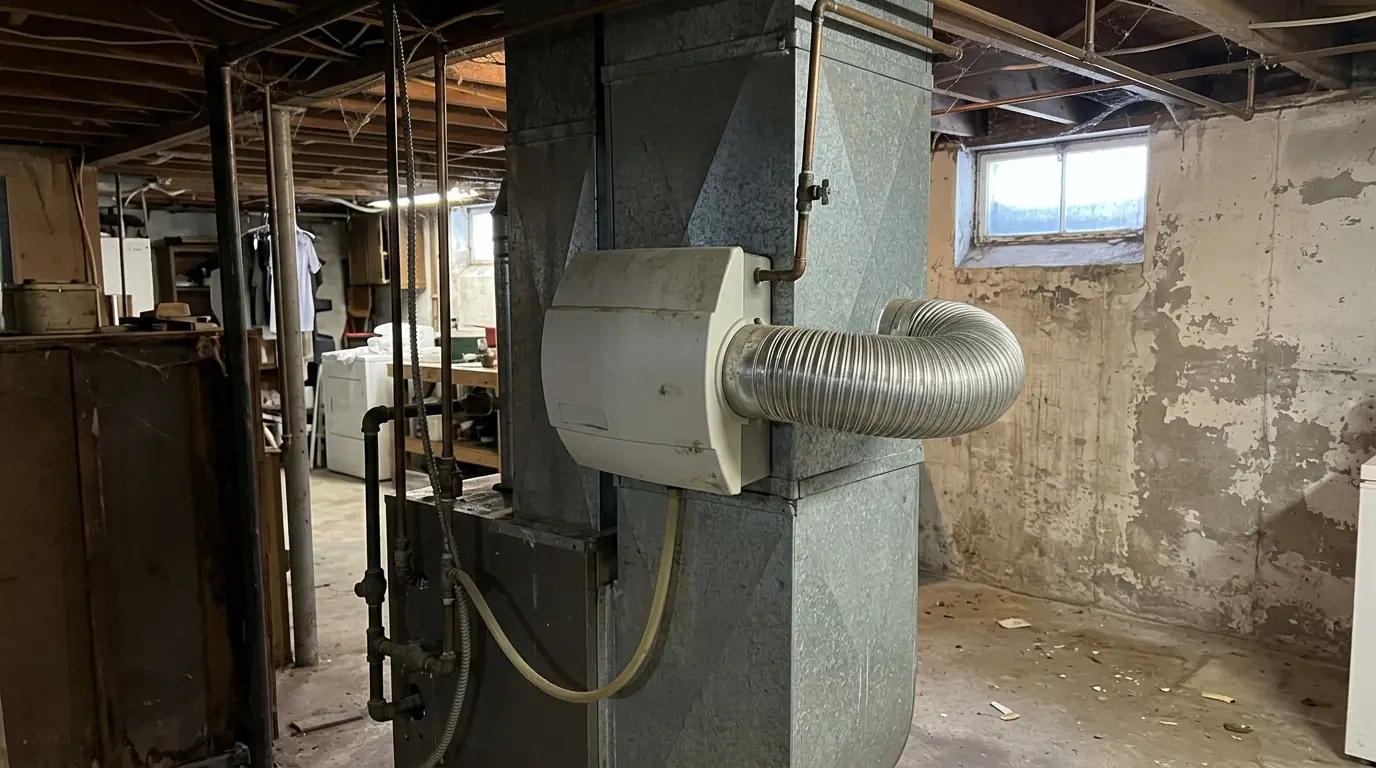
A whole-home humidifier connects to your furnace ductwork, a cold water supply and a floor drain, and releases moisture into heated air as it leaves the furnace. Bypass and fan-powered models use a water panel; steam models boil water electrically and work even when the furnace is idle. Installation usually takes three to five hours.
Cold outdoor air holds very little water. Once it leaks into your home and warms up, its relative humidity falls sharply, and a forced-air furnace keeps moving that dry air through every room. Portable humidifiers help one bedroom at best and need constant refilling and cleaning. By late winter many homeowners give up on them, and the whole house goes back to feeling dry, staticky and harder to keep warm at a reasonable thermostat setting.
A whole-home humidifier mounts on the furnace supply or return plenum, ties into a water line and a drain, and adds moisture to all the air the blower moves. Our technicians size the unit to your square footage and how leaky the house is, then wire it with a control that reads outdoor temperature so the indoor target drops automatically on the coldest nights.
Frequent static discharge is one of the most common signs that winter humidity has dropped well below 30 percent.
Wood floors and trim shrink in dry air, opening seams that close again in summer. Wide seasonal swings can loosen joints over time.
Wood instruments react to humidity changes, and a fast winter drop can pull them out of tune or crack a soundboard.
Many people simply feel more comfortable when winter air carries a bit more moisture, especially in bedrooms.
Dry air lets moisture evaporate from your skin faster, so 68 degrees can feel cooler than it should.
Clogged water panels, a stuck solenoid valve or a broken humidistat leave the unit on the furnace doing nothing.
A bypass humidifier sits on the supply or return plenum with a short duct linking the two. Warm air from the furnace pushes through a water-soaked evaporator pad and carries moisture into the house. It has almost no moving parts and costs the least to run, but it only adds moisture while the furnace is heating, and it sends some water down the drain each cycle.
Fan-powered models add a small blower so they do not need a bypass duct, which helps on tight mechanical rooms and gives a bit more output. Steam humidifiers heat water with electrodes or an element, so they produce moisture on demand regardless of furnace run time. They suit larger homes, heat pumps with cooler supply air and homeowners who want precise control.
Humidifier output is rated in gallons per day, and the right number depends far more on air leakage than on square footage alone. A 1920s home near downtown Kalamazoo with original windows and an open attic floor can lose moisture through the shell almost as fast as a small unit adds it. Those houses often need a fan-powered or steam model to hold even 30 percent.
A newer home in Portage or Texas Township, built with house wrap and sealed top plates, holds moisture much longer. A simple bypass unit is usually plenty, and oversizing can push humidity high enough to cause window condensation. We ask about the age of the house, window type and how many people live there before recommending a size, since cooking, showers and occupants all add moisture on their own.
The biggest complaint with older furnace humidifiers is water pooling on window sills. That happens when a manual dial is set to 45 percent and left there through a stretch of below-zero nights. The inner glass surface gets so cold that the moisture in the room condenses on it, and over a winter that water stains wood and can feed mold growth.
We install controls with an outdoor temperature sensor that lowers the indoor target as the weather turns colder, then raises it on mild days. Many modern thermostats handle this directly and can run the furnace blower when humidity is called for. The result is a steady comfort level without the soaked sills and fogged-over glass of a set-and-forget dial, and far fewer winter mornings spent wiping down windows.
A humidifier needs a cold or warm water connection, usually a self-piercing or tee valve on a nearby supply line, plus a drain line for bypass and fan models. We route the drain to a floor drain or condensate pump and add a shutoff valve so the unit can be serviced without turning off water to the house. Steam units also need a dedicated electrical circuit.
Each fall the water panel should be replaced and the distribution tray rinsed, since Southwest Michigan well and city water both leave mineral scale behind. Steam units need their canister or element cleaned on a similar schedule. If you already have a furnace tune-up each season, our technician can handle the humidifier service on the same visit and check that the solenoid valve opens on call.
| Work | Typical range |
|---|---|
| Bypass humidifier, installed | $487 to $893 |
| Fan-powered humidifier, installed | $668 to $1,147 |
| Steam humidifier, installed | $1,438 to $2,486 |
| Outdoor-reset control or compatible thermostat wiring | $129 to $318 |
| Yearly water panel and tray service | $79 to $146 |
Prices are typical ranges for the area, and the final price is set once the technician has seen your furnace, plenum space and water and drain access. Compare more jobs in the furnace and AC price guide.
Keep reading
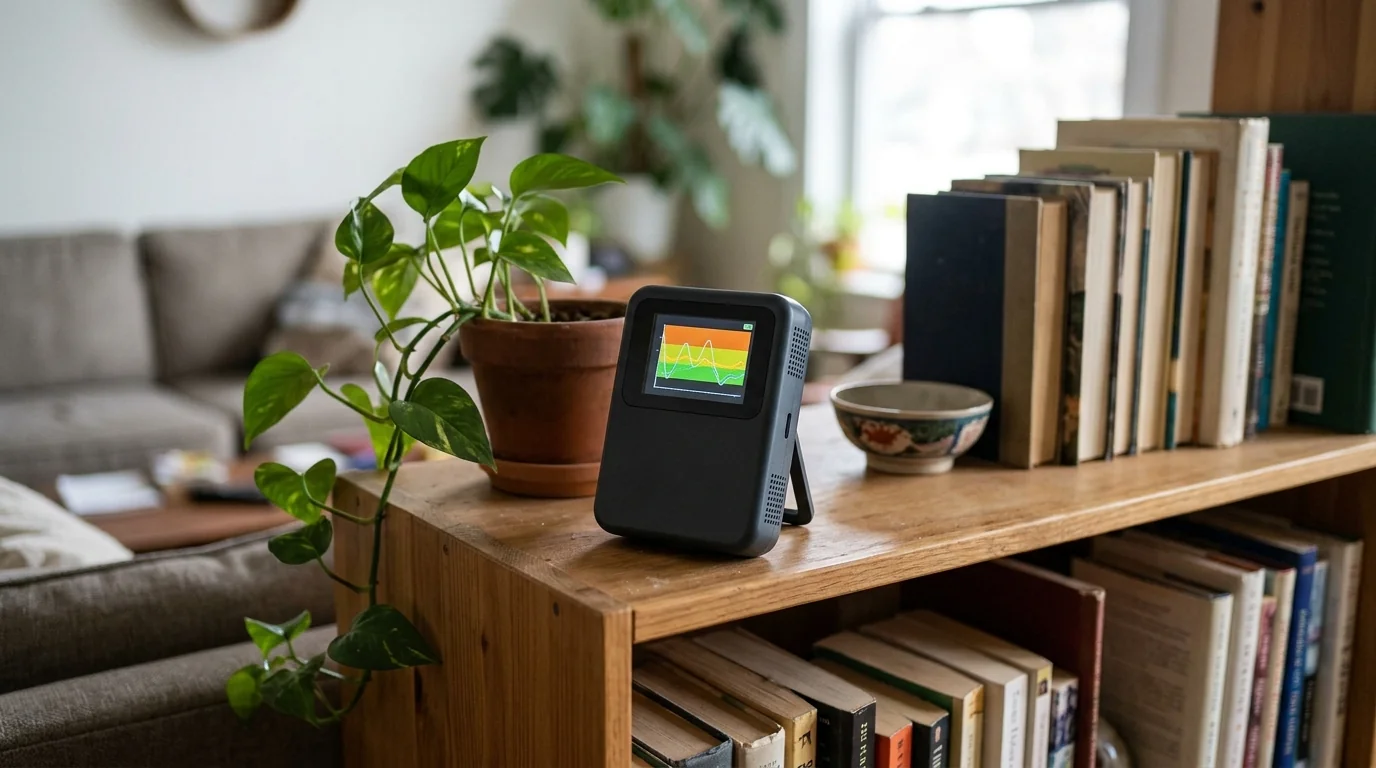
On-site measurement of humidity, particles, carbon dioxide and VOCs, with clear readings tied back to your HVAC system.
Learn moreNew gas furnaces sized by room-by-room load calculation, with venting, gas piping and ductwork matched to the house.
Learn moreWi-Fi thermostats wired correctly to furnaces, heat pumps, boilers and dual-fuel systems, with a C-wire added when needed.
Learn moreFAQ
Yes, though heat pump supply air is cooler than gas furnace air, so a bypass unit puts out less moisture. In those homes a steam humidifier is often the better fit because it makes moisture with its own heat. We look at the air handler and supply plenum before recommending a type.
Yes. Bypass humidifiers have a small damper on the connecting duct, and it should be closed when you switch to air conditioning. Leaving it open lets cooled air short-circuit back to the return, which cuts cooling efficiency. Open it again in the fall when heating season starts.
A correctly sized unit with an outdoor-reset control should not. Problems come from oversized units, very high settings or a clogged drain that lets water sit in the tray. Yearly panel changes, a clear drain and a sensible winter target keep the duct interior dry between cycles.
Some electrode steam models work best with plain hard water because the minerals help conduct current, while others accept softened water. It depends on the brand and canister design. We check your water source, whether it is city supply or a private well, and choose a model that matches it.
The housing and valve on a bypass or fan-powered unit often last ten years or longer with yearly service. Water panels are a consumable part and get replaced each season. Steam canisters wear faster and may need changing every one to three seasons depending on water hardness and run time.
Call any hour. Our office answers, sets the visit and tells you what to expect before a technician arrives.